

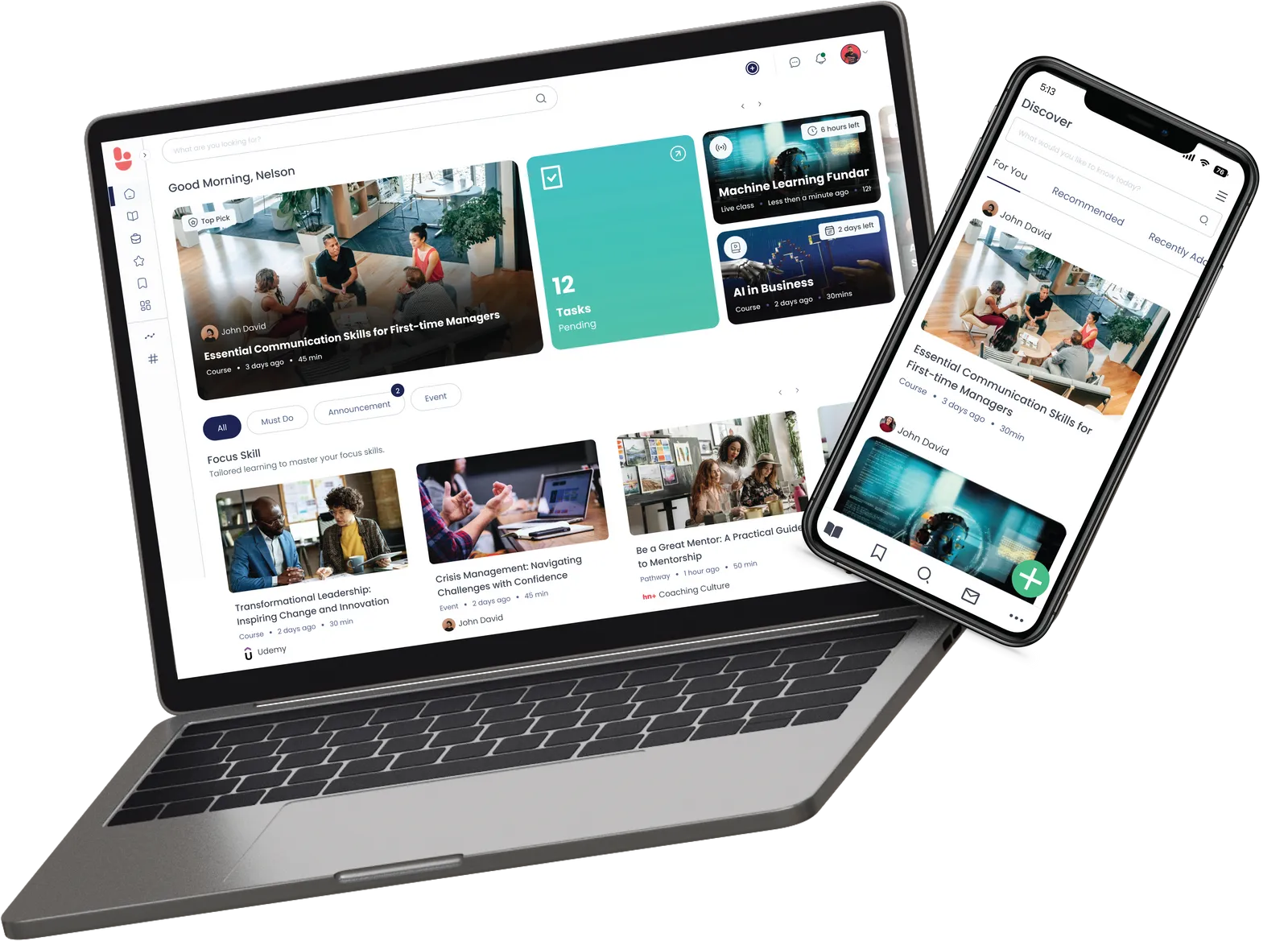

Quick summary
The best learning experience platform is the one your people actually open, because it shows them learning that fits their role. HowNow leads this list for mid-to-large organisations that want LMS, LXP, skills and content in one AI-native platform, with skills read from real work. 360Learning is the pick if you want subject-matter experts building your courses. Degreed suits large enterprises with a mature skills strategy and the budget to match.
The 10 best learning experience platforms
1. HowNow
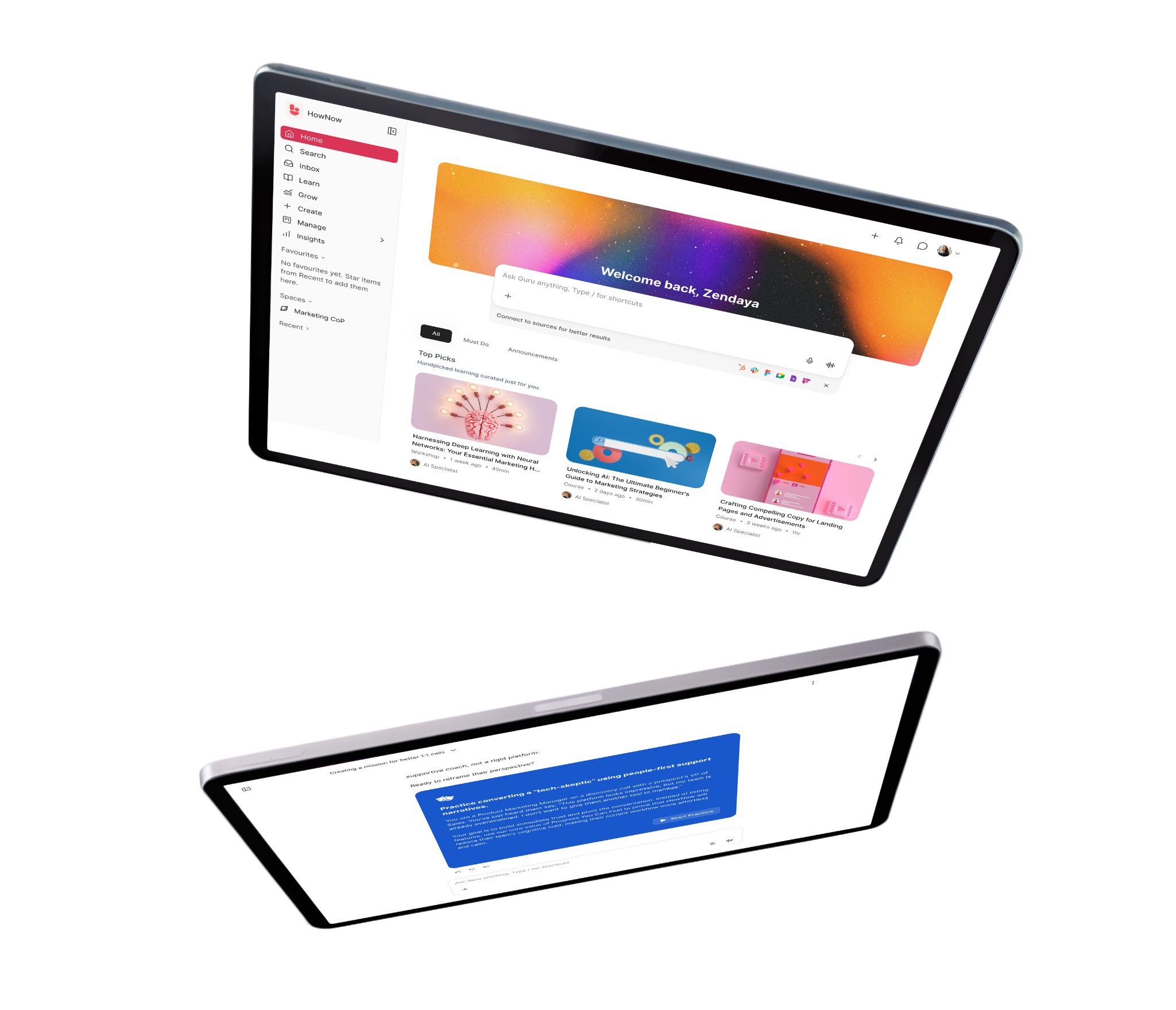
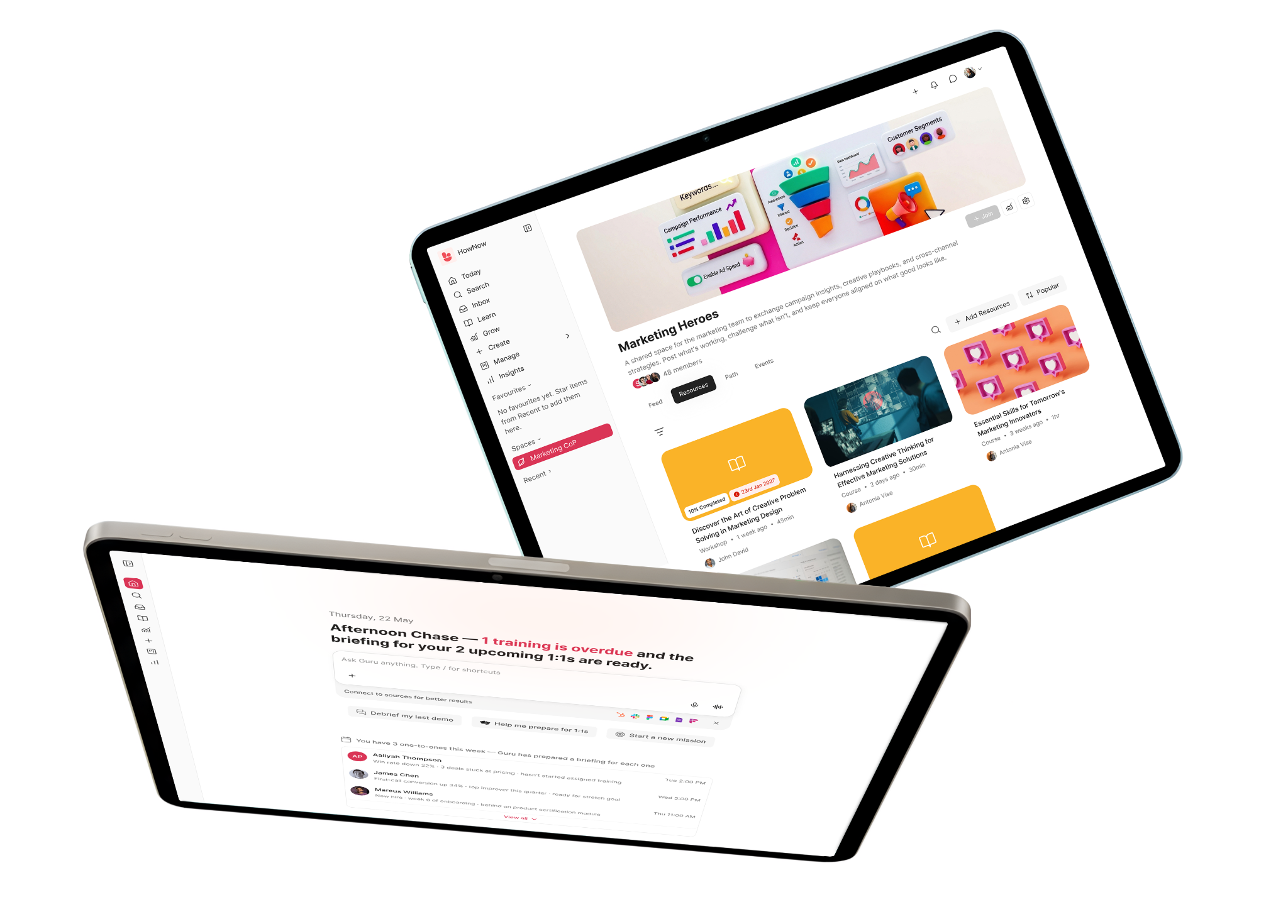
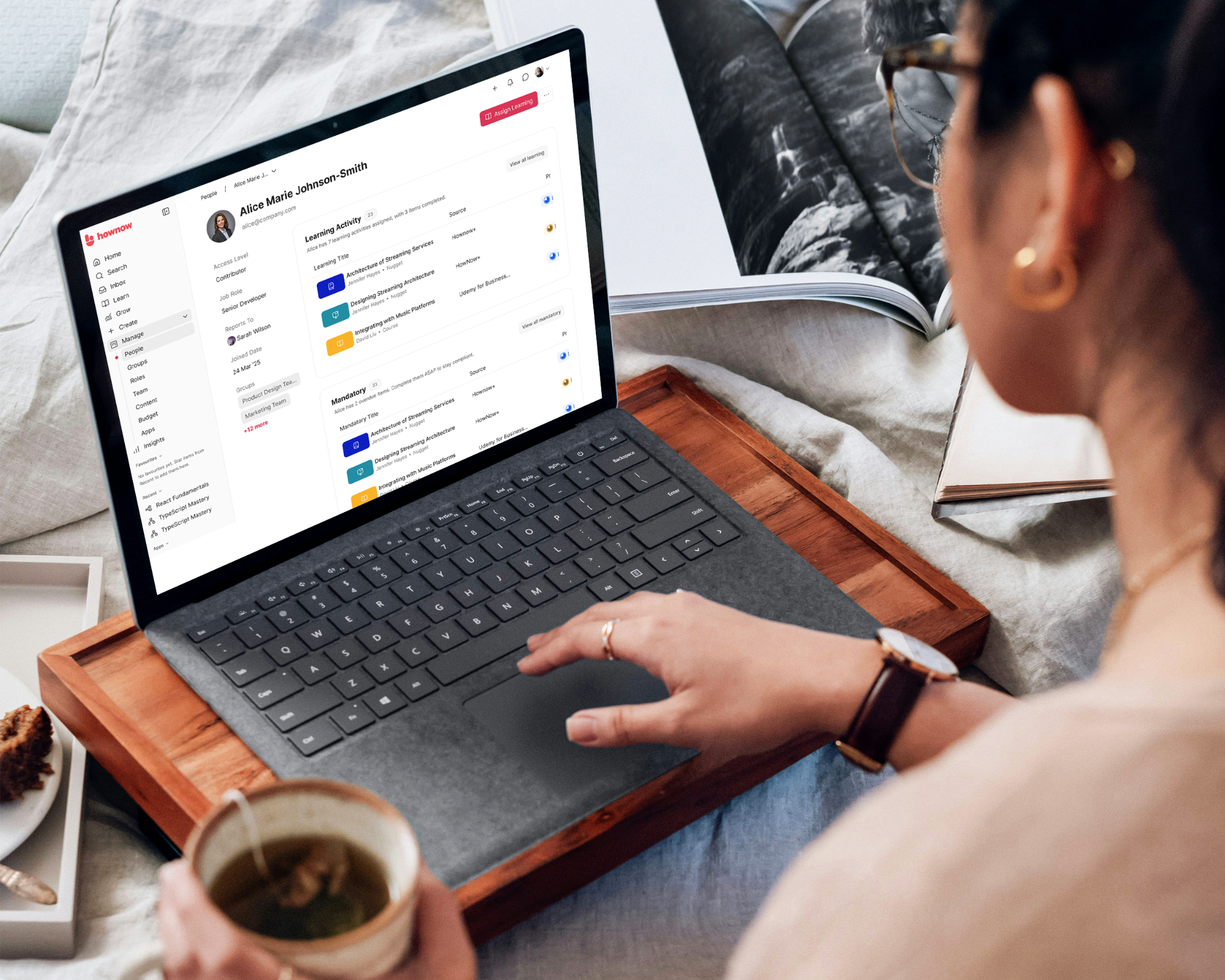
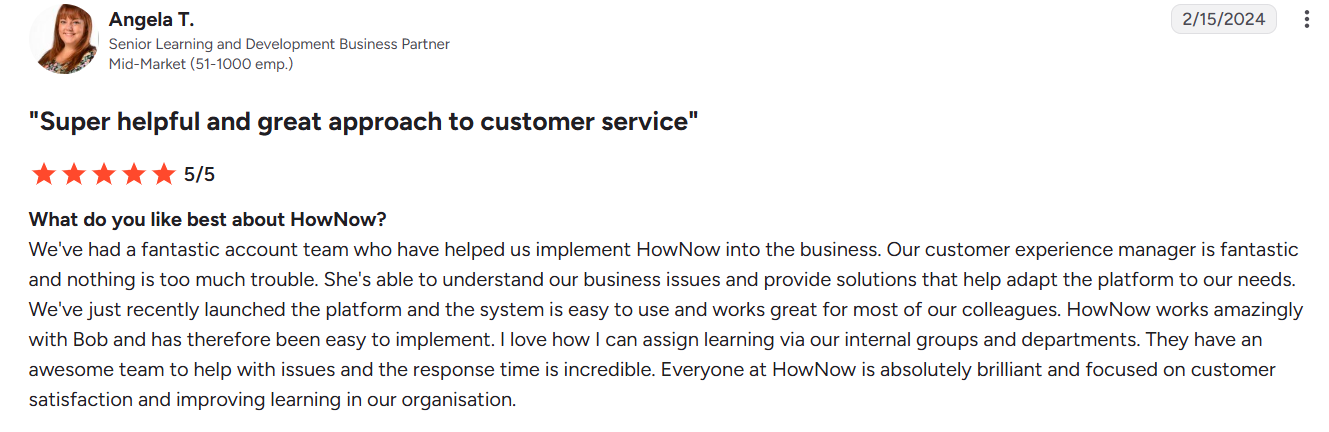
HowNow is an AI-native learning platform that brings courses, coaching, communities and career paths into one place. We built it for organisations of 250 to 5,000 people that have outgrown a traditional LMS.
The difference starts with skills. Our skills graph reads skills from real work, not from a form nobody fills in, so content stays relevant as roles change. Guru, our AI coach, runs through the whole platform, answering questions, running role-plays and building dashboards when you ask.
HowNow Plus adds a curated, skills-mapped content library that your people and your AI tools can both draw on. And because onboarding, compliance, leadership development and careers all run on one platform, your reporting stays joined up.
Key Features
- AI pathway builder: Personalised learning paths built from skills gaps, role context, and business goals. Automatically.
- Adaptive learning: Every learner gets a personalised path based on their role, skills, and progress. 1:1 learning at scale.
- AI curation: The right content found, tagged, and organised from your internal sources and external libraries. Surfaced automatically.
- Learning communities: Peer expertise made visible, structured, and searchable. Your best knowledge captured and available to everyone.
- Skills graph: Every skill and every gap visible. The intelligence that connects performance gaps to the learning that will close them.
- Career paths: Every employee sees their skills, their gaps, and where they can grow. Real paths that drive engagement without mandating it.
- AI Performance coaching: Answers, practice, feedback, and proactive coaching, delivered where your people already work. Connected to real work signals.
- Trusted content: Expert knowledge your AI can actually use. Every recommendation grounded in real expertise, not generic results.
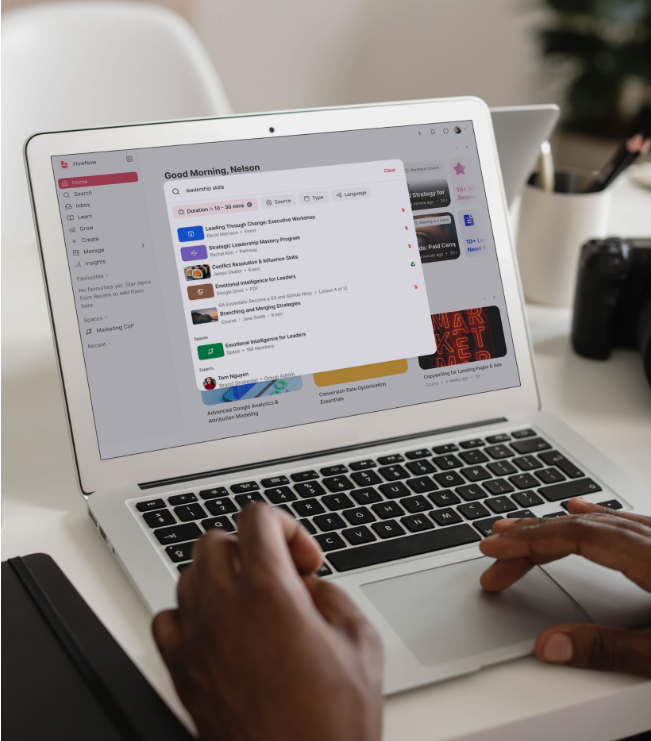
- Unified Search: Pulls any course, document or expert answer from one search box across your tools.
- In-flow delivery: Serves learning inside Slack, Teams and the browser, where people already work.
Pricing
- Essentials - £60/user/year, Centralised learning with built-in compliance
- Pro - £80/user/year, Personalised learning for every role, powered by AI, with zero admin
- Plus - +£45/user/year, Curated learning from top providers, ready to use, skills-mapped, included in one subscription
Rating
G2: 4.5/5.
2. 360Learning
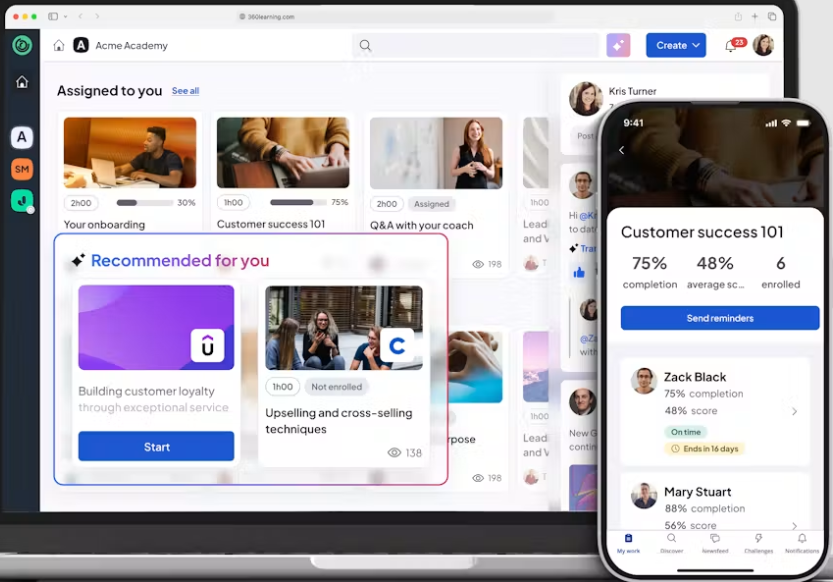
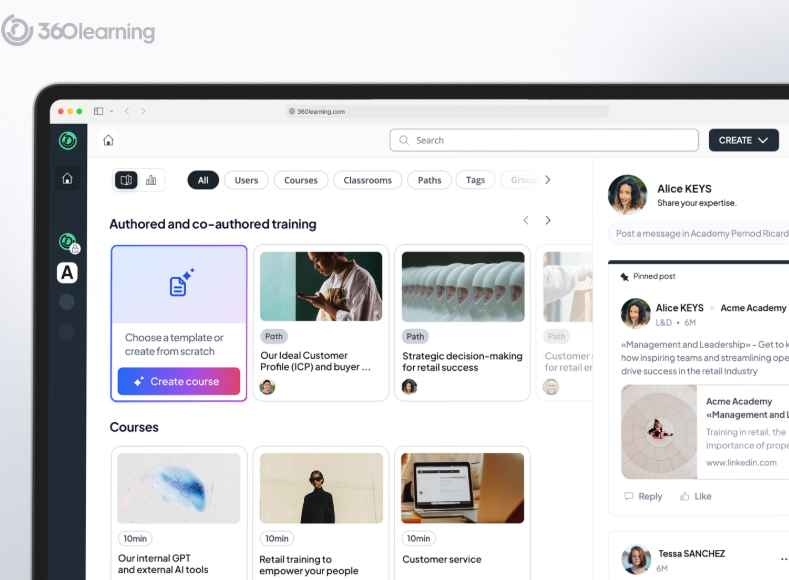
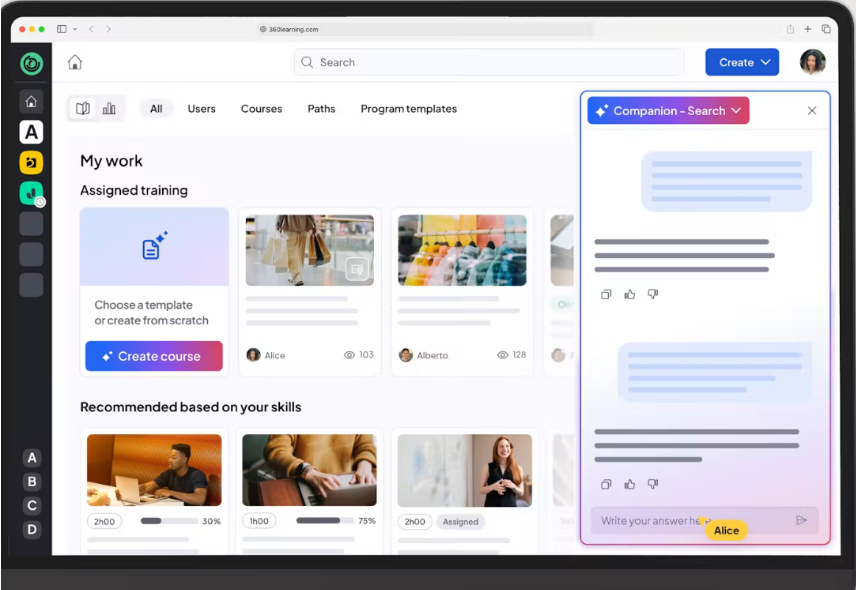
360Learning is a collaborative learning platform built on one idea: the people who know the subject should create the training. Its AI Content Builder helps subject-matter experts turn what they know into courses, while L&D keeps final approval.
More than 2,500 customers use it, including Cisco, Duolingo and Michelin. If you're weighing it up, our guide to 360Learning alternatives compares it with the wider market.
Key Features
- AI Content Builder: Helps subject-matter experts build courses quickly, with L&D oversight before anything goes live
- Learning Needs: Lets employees request training topics and upvote each other's requests, so content follows real demand
- Skills library: Starts you with 20,000 standard skills, plus a free SkillsGPT to help shape your own framework
- Academies: Runs dedicated learning spaces for different teams and communities
Pricing
Team: $8 per user per month. Business and Enterprise plans are custom-quoted.
Rating
G2: 4.6/5.
3. Degreed
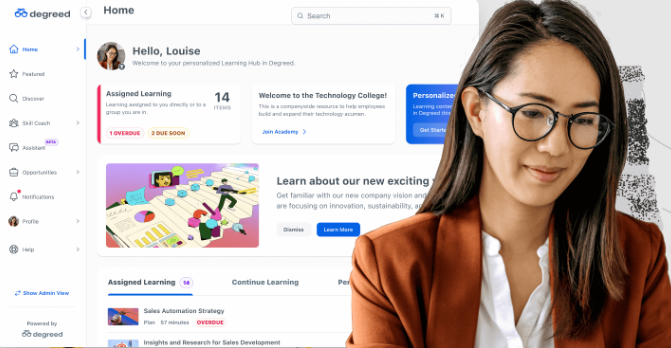
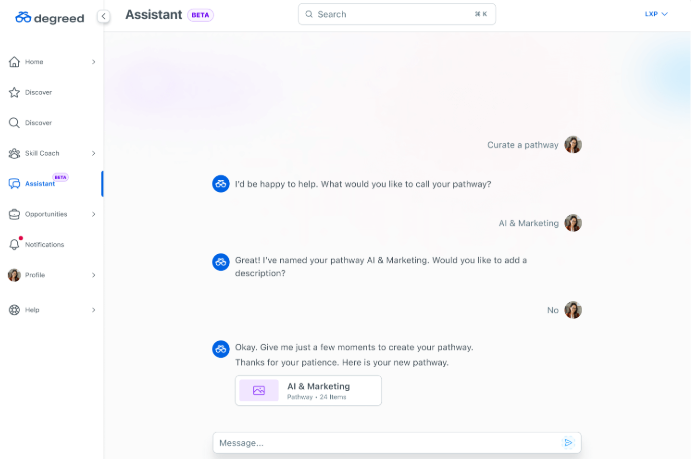
Degreed is one of the original learning experience platforms, built for large enterprises that want to connect learning to a skills strategy. It pulls content from internal and external sources into one searchable home.
The company reports 10 million activated users across 160+ countries, and Capgemini used it to train 150,000 employees in ten weeks.
Key Features
- Skill Review: Assesses skill levels through an adaptive questionnaire of behavioural questions, developed with psychometricians
- Four rating sources: Combines Skill Review, manager, peer and self-ratings into one skill profile
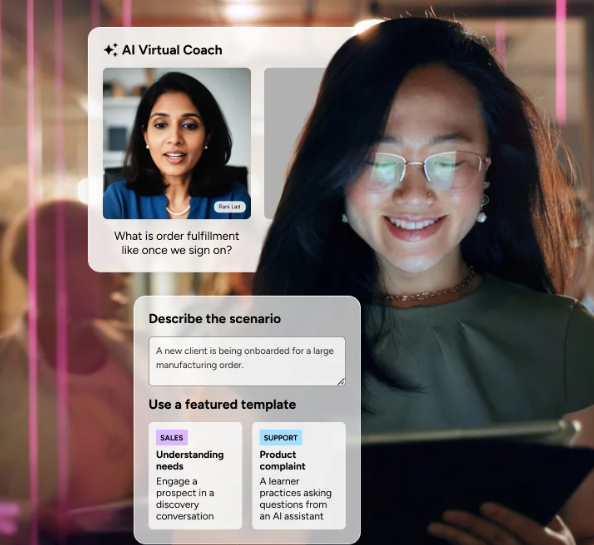
- Maestro: Coaches people by text and voice, with AI role-plays scored against custom rubrics
- Academies: Builds structured programmes for specific teams or capabilities
Pricing
Degreed doesn't publish prices.
Rating
G2: 4.3/5.
4. Docebo
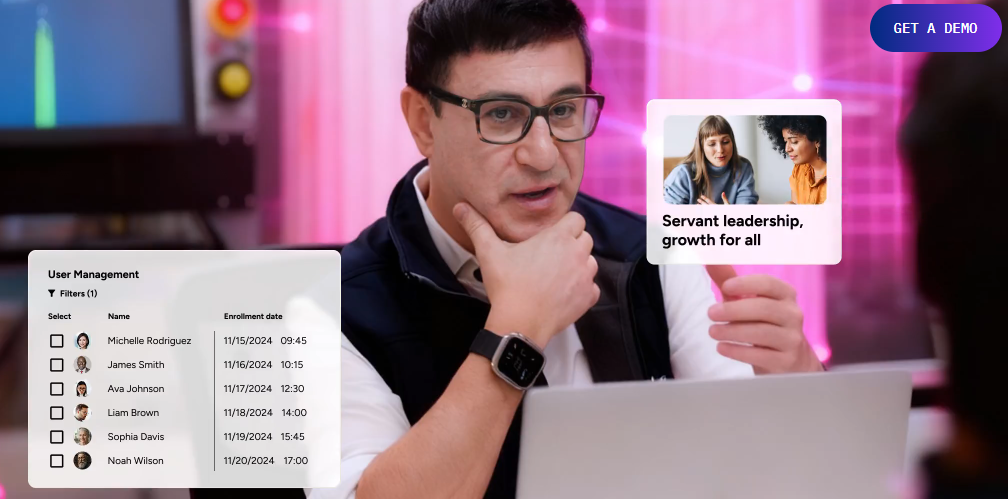
Docebo is an enterprise learning platform that now describes itself as an AI workforce readiness platform. It suits large organisations training employees, customers and partners from one system.
More than 3,900 customers use it, with over 30 million users across 70+ countries.
Key Features
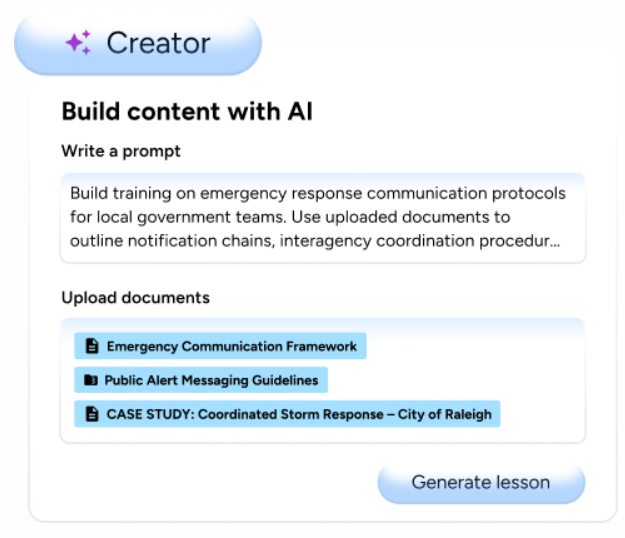
- AI assistant: Helps learners find answers and helps admins create course content faster
- Content Marketplace: Gives access to over 30,000 courses and professional certifications
- MCP server: Lets admins run Docebo tasks from Claude, ChatGPT, Copilot and Gemini, generally available since July 2026
- Extended enterprise: Runs separate, branded learning for customers and partners alongside employee training
Pricing
Docebo's pricing page lists two tiers, Elevate and Enterprise, both quoted by sales.
Rating
G2: 4.3/5.
5. Cornerstone OnDemand
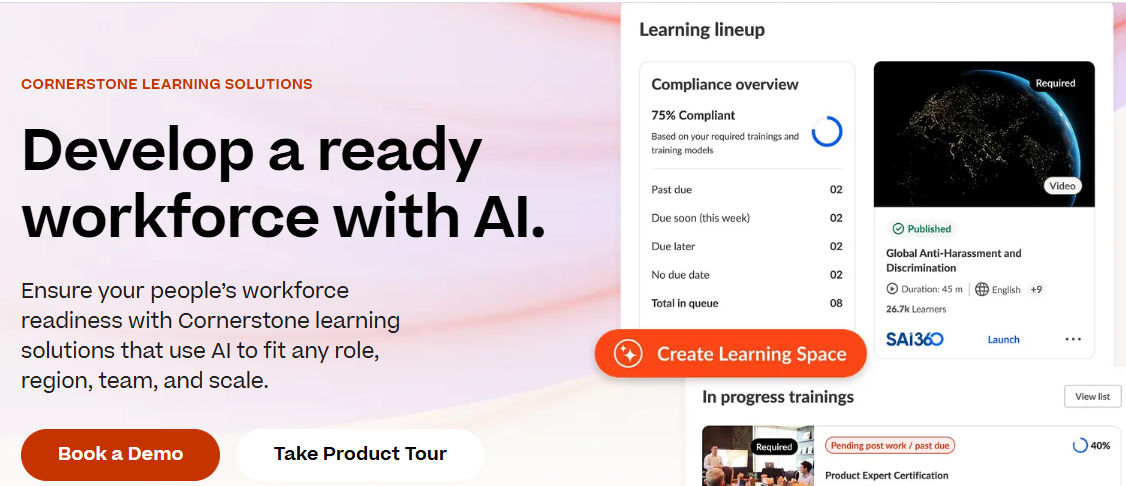
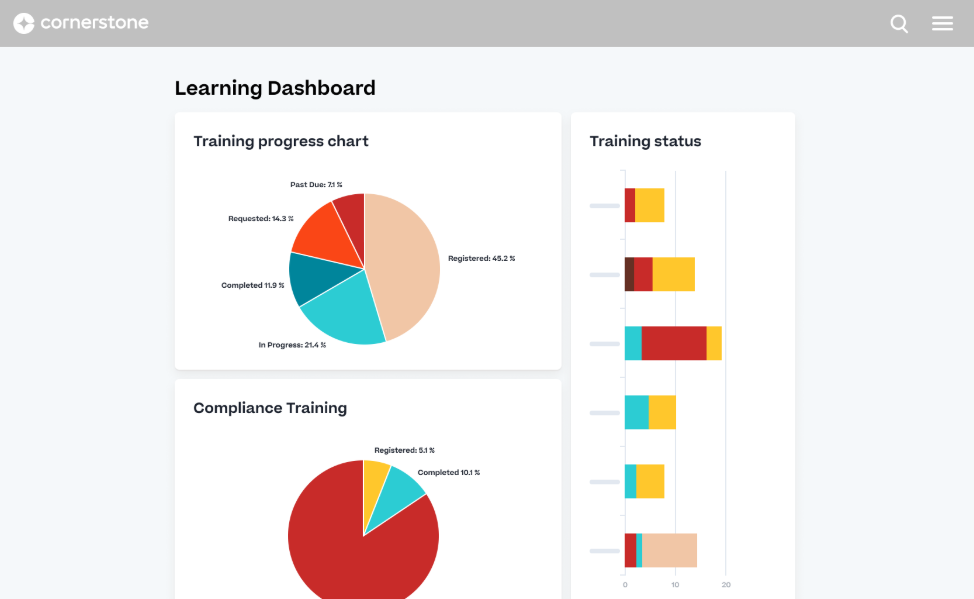
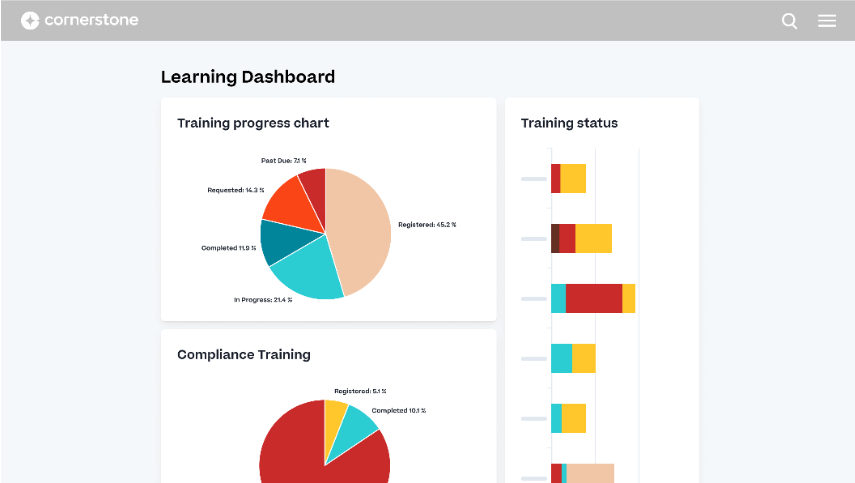
Cornerstone is a legacy giant in enterprise learning and talent, and it relaunched its platform as Cornerstone Workforce AI in May 2026. Its learning experience platform, formerly EdCast, is one part of a much wider talent suite.
About 7,000 organisations use Cornerstone across 180+ countries. The suite has grown through acquisitions, including Saba, SumTotal, EdCast and SkyHive, which brings breadth but also complexity.
Key Features
- Skills Engine: Draws on a taxonomy of 55,000+ skills, powered by labour-market data from SkyHive
- Content Subscriptions: Offers Silver, Gold and , Gold and Platinum in 10+ languages
- Readiness agents: Uses AI agents to map roles, skills and future workforce needs
- Compliance management: Tracks certifications and audit evidence across global teams
Pricing
Cornerstone doesn't publish pricing.
Rating
G2: 4.1/5.
6. Thrive Learning
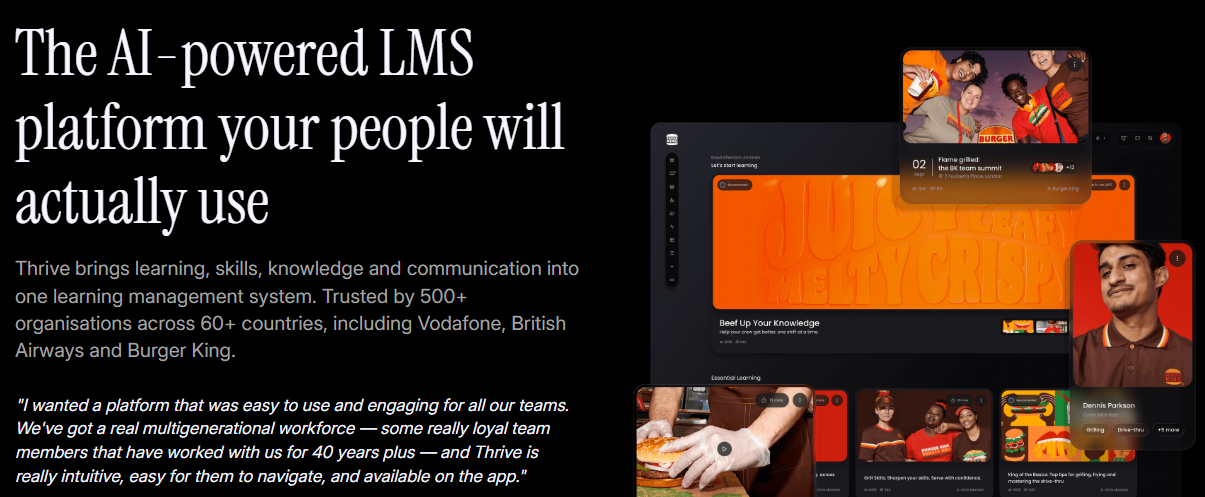
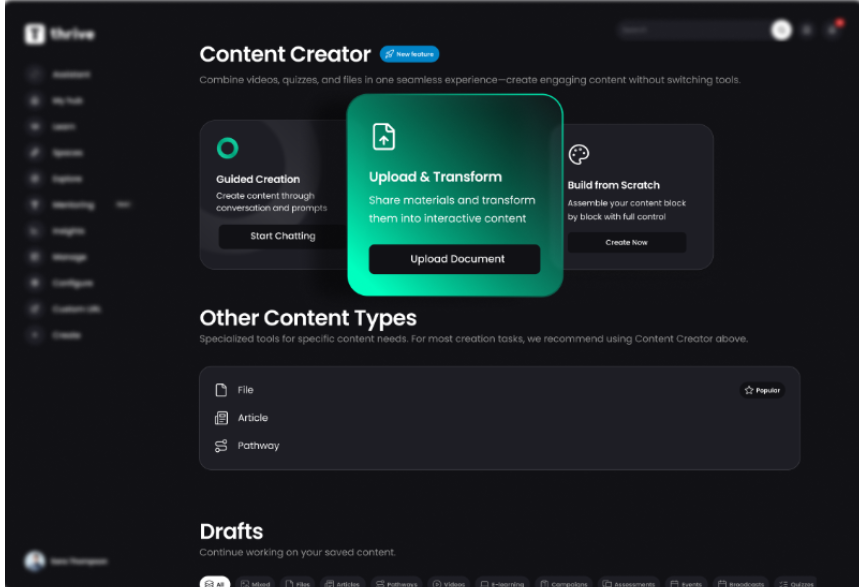
Thrive is a UK-built platform that brings learning, communities, mentoring and internal knowledge together. It now positions itself as an AI-powered LMS, but its social feed and mentoring give it a strong LXP feel.
More than 500 organisations use Thrive across 60+ countries, including Specsavers, Volvo and British Airways.
Key Features
- Kiki AI: Works in five modes, including Coach, Analyst and Content Creator, at no extra cost
- Skill pathways: Maps skills to roles and builds pathways that close each person's gaps
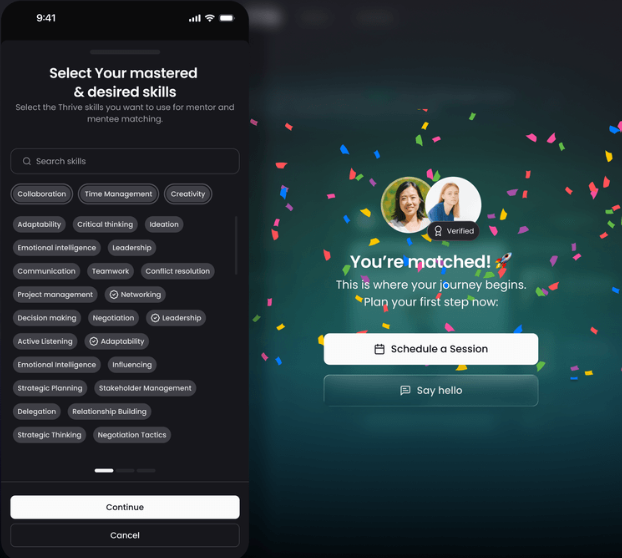
- Mentoring: Matches mentors and mentees, included at no extra cost
- Content library: Includes 1,000+ ready-made resources, with 2,500+ more in the separate Thrive Content product
Pricing
Price starts at $34000 per 1-100 learners, $48263 from 501-600 learners onwards
Rating
G2: 4.5/5.
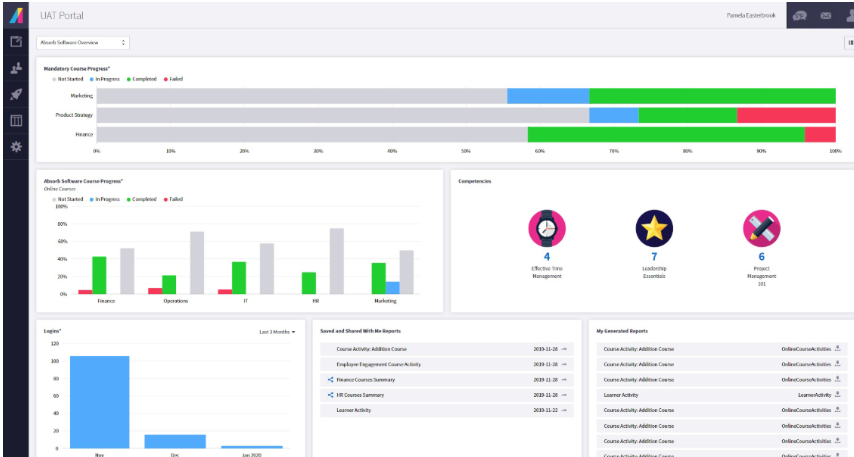
7. Absorb LMS
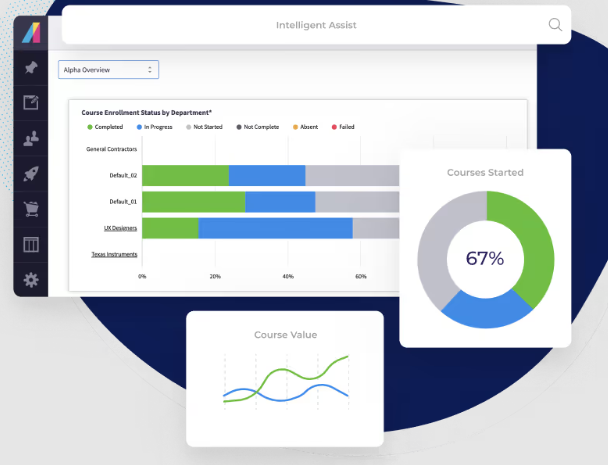
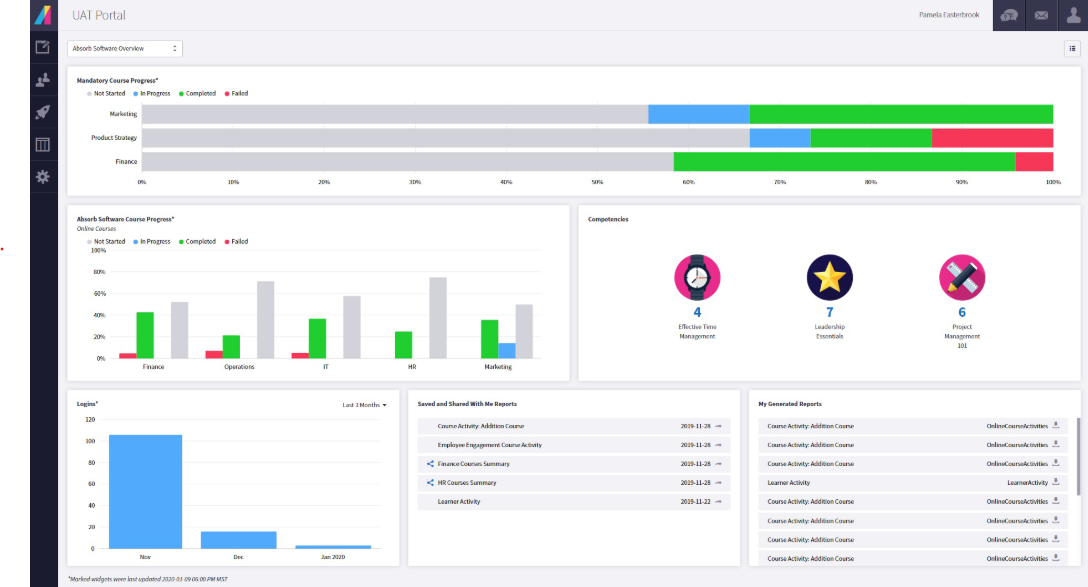
Absorb is an LMS with strong LXP features, used by 3,500+ organisations including Sony, Samsung and Toyota. In May 2026 it launched Aura, a set of AI agents grounded in each customer's own approved content.
Forrester named Absorb a Leader in its Q4 2025 Wave for learning management systems and experience platforms.
Key Features
- Absorb Aura: Runs AI agents for learners, course creation and admin tasks, grounded in your own content
- Absorb Skills: Maps learning to 200+ competencies and 12,000+ skills
- Absorb Amplify: Adds a library of 20,000+ pre-built courses
- Absorb Infuse: Embeds learning inside the other tools your people use
Pricing
Absorb doesn't publish pricing. Its pricing form asks for your learner count.
Rating
G2: 4.6/5.
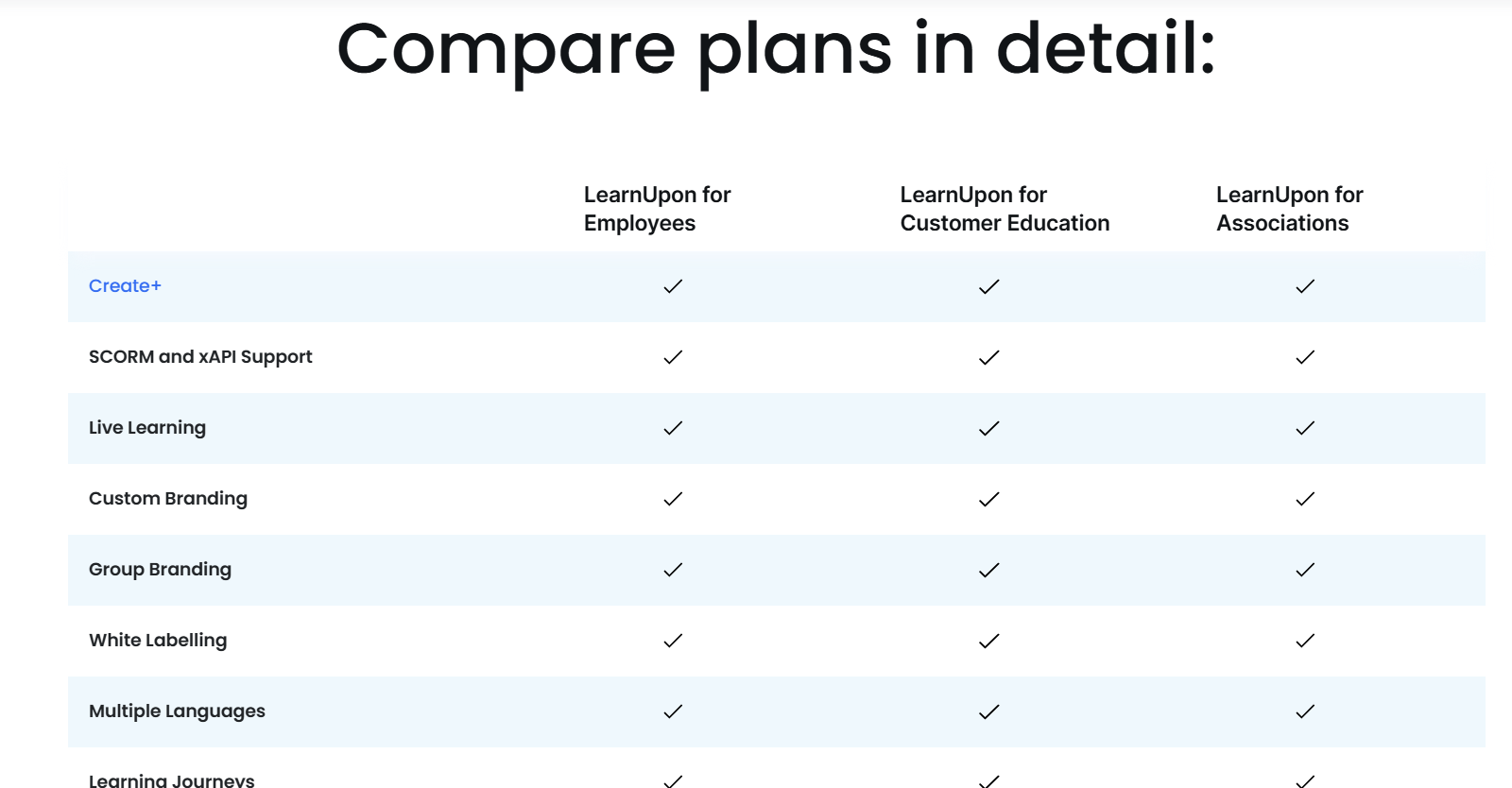
8. LearnUpon
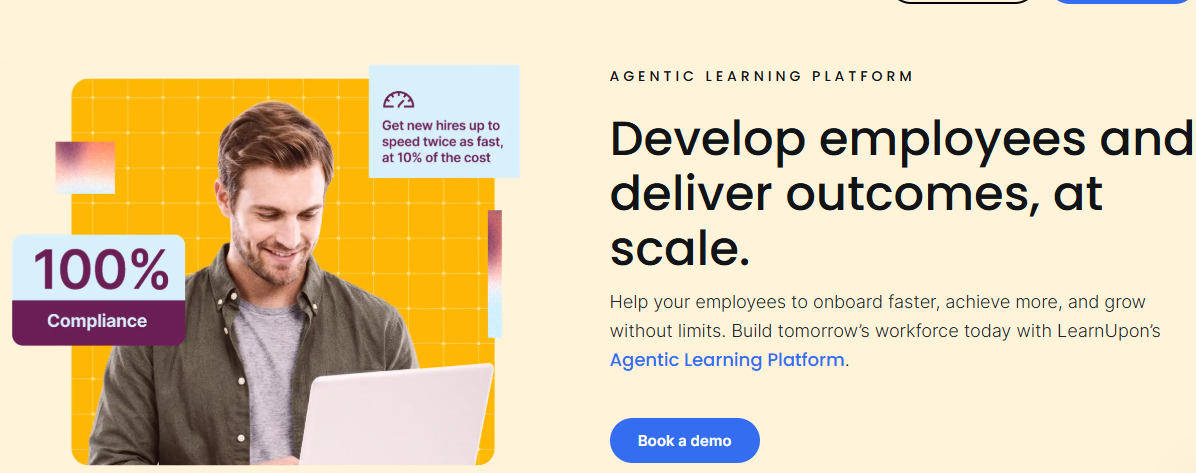
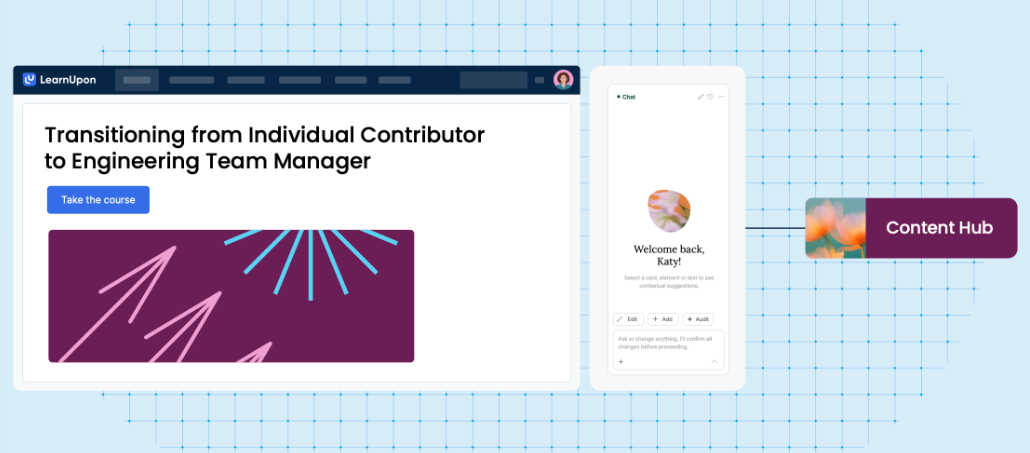
LearnUpon relaunched in July 2026 as an agentic learning platform. Its biggest strength is running separate, branded portals for employees, customers and partners from one admin login.
More than 1,700 organisations use it, and its support team is available around the clock. It's a strong pick when external training matters as much as internal learning.
Key Features
- Portals: Creates unique, branded learning environments for each audience from one place
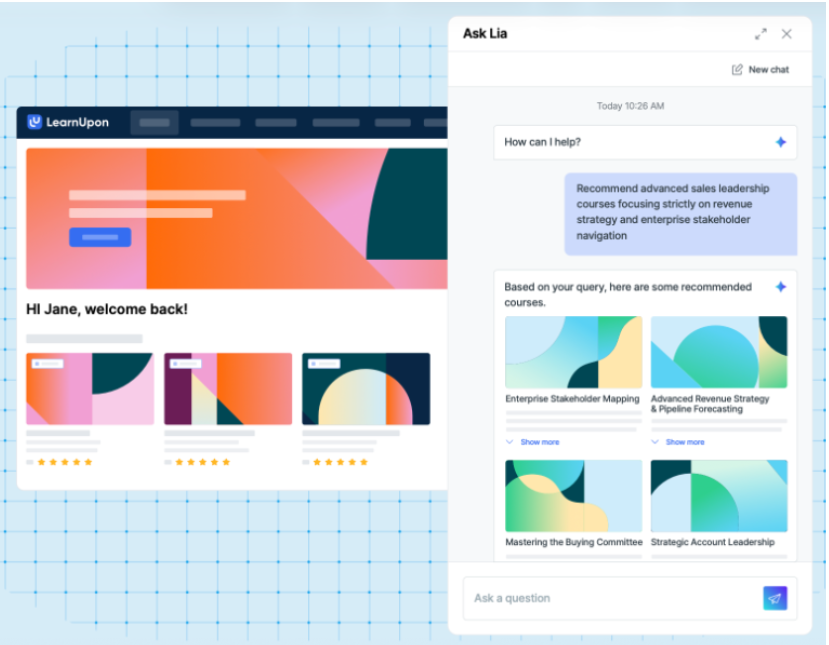
- LearnUpon IQ: Acts as an AI coordinator that connects every part of the platform
- Create+: Builds courses with AI, which LearnUpon says is up to 90% faster
- Learning Journeys: Sequences courses with prerequisites, timed release and certifications
Pricing
LearnUpon doesn't publish prices.
Rating
G2: 4.5/5.
9. Kallidus
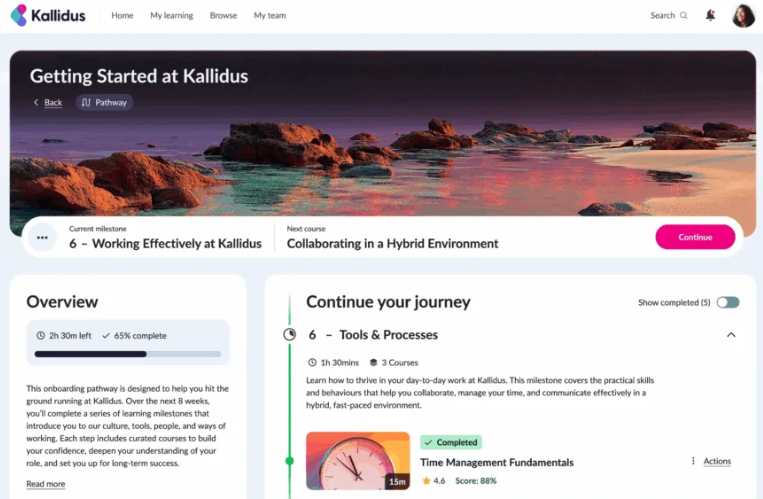
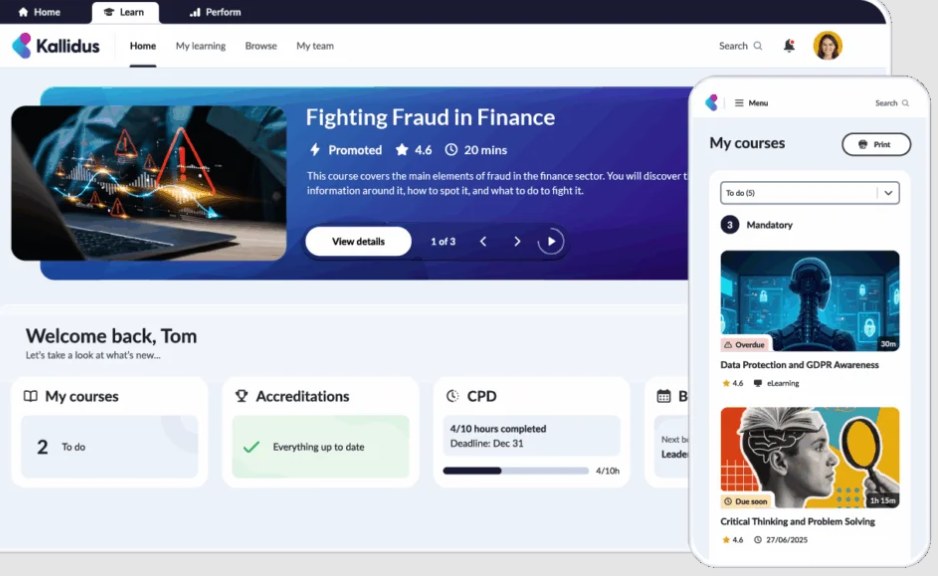
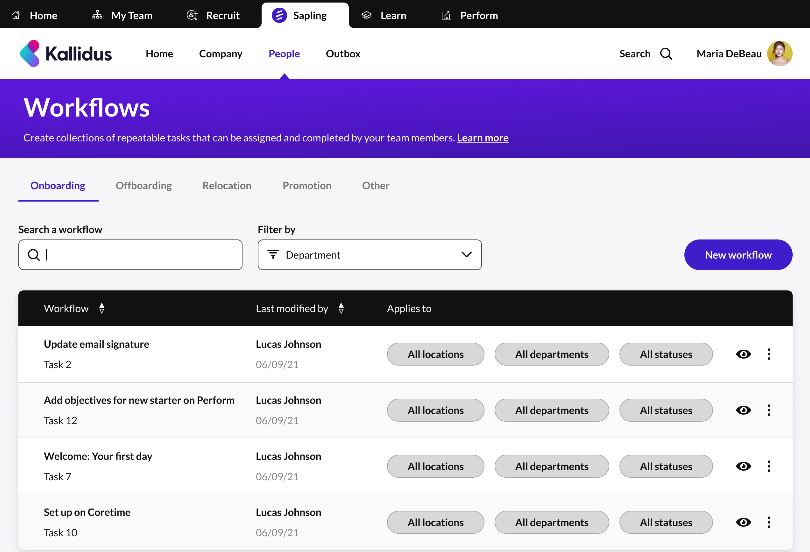
Kallidus is a UK-based learning and performance provider with more than 1,000 customers and 2 million users. Its Learn LMS is built for compliance-heavy organisations, with AI recommendations and skills tools in the higher tiers.
It's more LMS than pure LXP, but it earns a place here for UK teams that need strong compliance alongside a modern learner experience.
Key Features
- Learn LMS: Manages courses, compliance and instructor-led training in one system
- Power BI reporting: Embeds Power BI natively for detailed reporting
- Off-the-shelf content: Includes 250+ ready-made courses
- Kallidus Intelligence: Adds AI to help L&D teams focus on impact rather than activity
Pricing
Kallidus doesn't publish prices.
Rating
G2: 4.4/5.
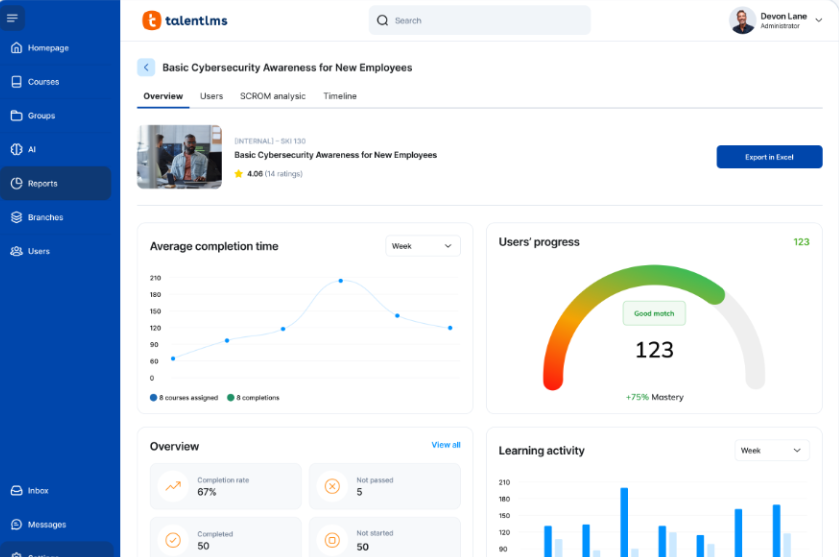
10. TalentLMS
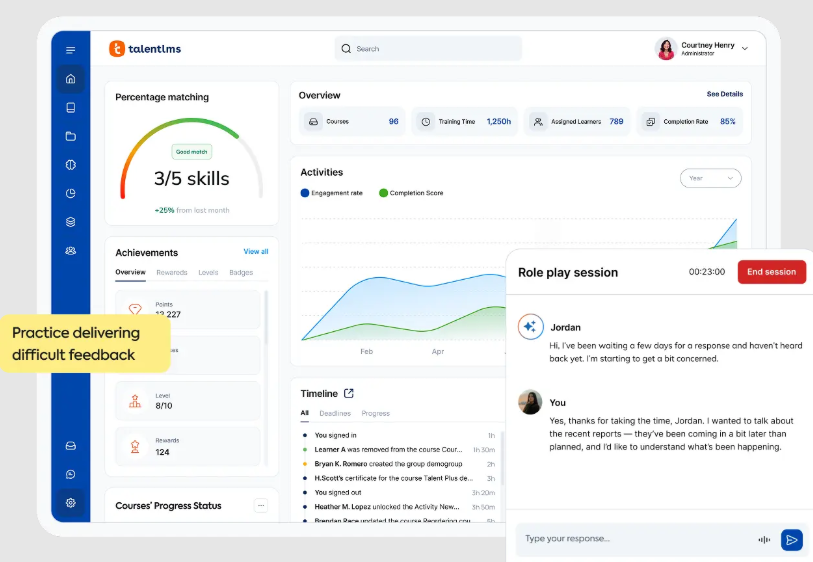
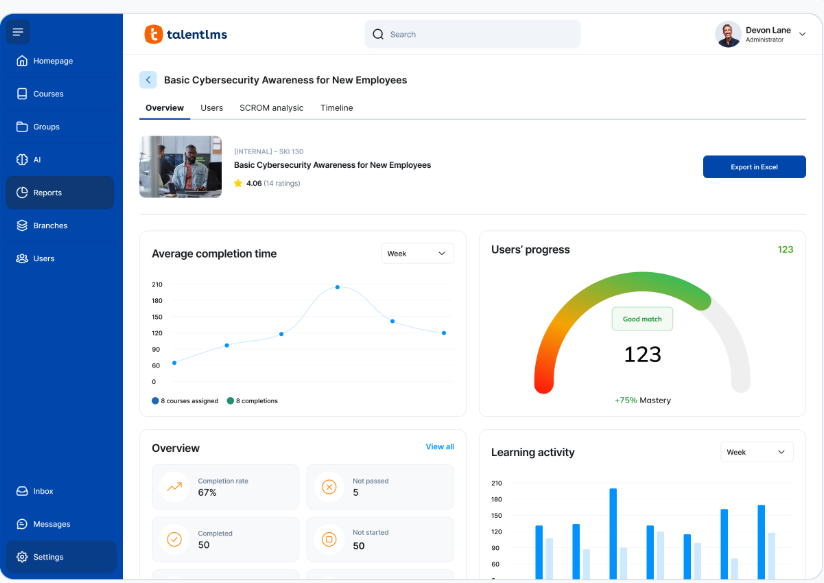
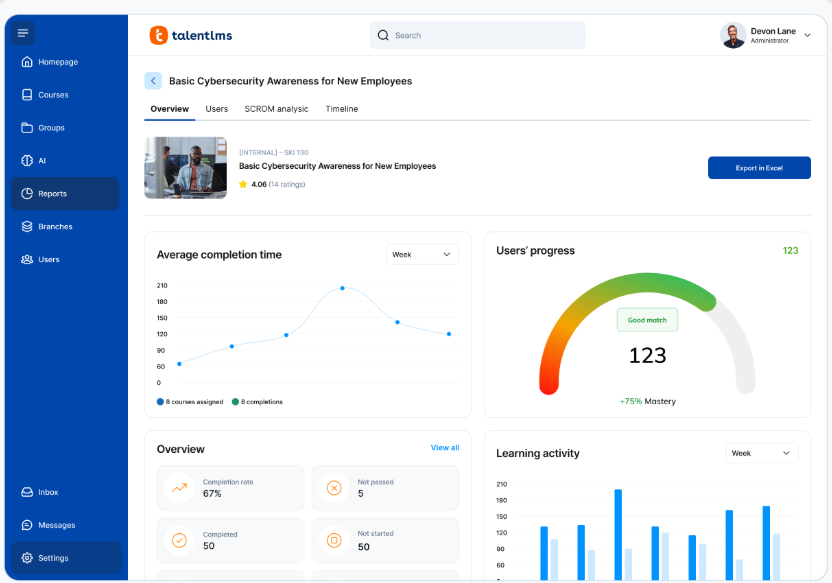
TalentLMS is a cloud LMS for small and mid-sized teams that want training live quickly. More than 70,000 teams use it.
It's one of the few platforms here with a free plan and fully published pricing. If budget is tight, it's an easy place to start.
Key Features
- TalentCraft: Generates courses with AI, with credits that vary by plan
- Gamification: Adds points, badges and leaderboards on every plan
- Learning Playground: Gives your team a space to practise and build confidence
- TalentLibrary: Offers 1,000+ ready-made courses as a paid add-on
Pricing
- Free for up to 5 users
- Core: $119/month (up to 40 users)
- Grow: $229/month (up to 70)
- Pro: $449/month (up to 100)
Rating
G2: 4.6/5.
Why teams are looking for a new learning experience platform
Your three-year LMS contract is up for renewal. The engagement survey put development in the bottom three. And logins still only spike in compliance week.
If any of that sounds familiar, you're probably not short of content. You're short of a platform that knows your people well enough to show them what matters.
A learning experience platform is built to solve exactly this. It personalises learning around each person's role and skills, and it reaches them in the tools they already use. We compared 10 LXPs on skills, AI, pricing and verified G2 ratings, so you can build your shortlist faster.
Why listen to us?
We build HowNow, an AI-native learning platform, and we spend every day helping L&D teams at 250 to 5,000-person companies fix engagement. We've seen what gets people logging in, and what only looks good in a demo.
The proof comes from our customers. TomTom reached 90% learner activation and 100% onboarding completion after launching its TomTom Academy on HowNow. Hotelplan mapped more than 300 job roles to skills in a single month, and 78% of its people now feel confident in their role skills.
Trainline cut compliance training time by 50% with in-house content. Infinity Works passed 97% activation within four months. At AND Digital, 75% of employees use HowNow every working day.
We also know this market because we compete in it every week. We've written breakdowns of 360Learning alternatives and Docebo vs Cornerstone, and we've used the same lens here.

What is a learning experience platform?
A learning experience platform (LXP) is software that personalises learning for each employee. It pulls courses, internal knowledge and third-party content into one place, then recommends what fits each person's role, skills and goals.
A traditional learning management system (LMS) works the other way round. L&D assigns courses, tracks completions and reports on compliance. It's built for administrators first.
Today the line between the two is blurry. Most leading platforms now combine LMS control with LXP personalisation, so the better question is how well a platform understands your people. Our LXP vs LMS guide goes deeper on the difference.
Why a learning experience platform matters
- People come back: Generic content gets ignored. When learning maps to each person's role and skill gaps, what shows up in their feed is worth opening.
- You can see your skills: Instead of guessing what your workforce can do, you get a live view of where skills are strong and where the gaps are.
- Admin shrinks: Automated pathways, smart recommendations and built-in reporting let a small L&D team run learning for thousands of people.
- Compliance stops being a chase: You can assign, track and prove compliance training in one place, without stitching audit trails together from spreadsheets.
- Impact becomes provable: When learning, skills and performance data live together, you can show the board what changed, not just what got completed.
How to choose the right learning experience platform
Start with the problem you're trying to fix. If people aren't engaging, you need personalisation built on real skills data, and HowNow is built for that. If your experts hold knowledge that never gets written down, 360Learning's collaborative model fits.
For large enterprises with mature skills programmes, Degreed and Cornerstone cover the most ground. Docebo, Absorb and LearnUpon suit teams that train customers and partners alongside employees.
If you're a UK organisation focused on compliance, Kallidus and Thrive know that market well. And for small teams on a budget, TalentLMS is the quickest way to get started.
Whichever platforms make your shortlist, ask each vendor the same question: how does your platform know what skills my people have? The answer tells you how good every recommendation will be.
Find the learning experience platform your people will actually use
Most learning experience platforms promise personalisation. Far fewer can explain where their skills data comes from, or prove that people keep coming back after launch.
HowNow reads skills from real work and puts AI coaching into the tools your people already use. It also gives you one view of learning, skills and performance. TomTom, Hotelplan and Trainline chose it for those reasons, and their results show their people keep using it.
If you're heading into a renewal or rethinking your learning stack, book a demo and see HowNow in action.
FAQs
What is the difference between an LMS and an LXP?
An LMS is built for administrators to assign courses, track completions and report on compliance. An LXP is built for learners, recommending content based on each person's role, skills and goals. Most modern platforms, including HowNow, now combine both.
What is the best learning experience platform?
It depends on your size and goals. HowNow is the strongest pick for organisations of 250 to 5,000 people that want skills-based personalisation and AI coaching in one platform. 360Learning suits SME-led content creation, and Degreed suits large enterprise skills programmes.
How much does a learning experience platform cost?
HowNow quotes per organisation after a demo, based on your headcount and needs. Degreed, Docebo and Cornerstone also price by quote, 360Learning starts at $8 per user per month, and TalentLMS has a free plan.
Can an LXP replace an LMS?
Yes, if it includes LMS essentials like course assignment, compliance tracking and reporting. Platforms like HowNow combine LXP personalisation with those admin tools, so you can run onboarding, compliance and upskilling in one place instead of two.
What features should a learning experience platform have?
Look for skills mapping, personalised pathways, AI search and coaching, content curation, social learning and integrations with Slack, Teams and your HRIS. Most importantly, check how the platform builds its skills data.